

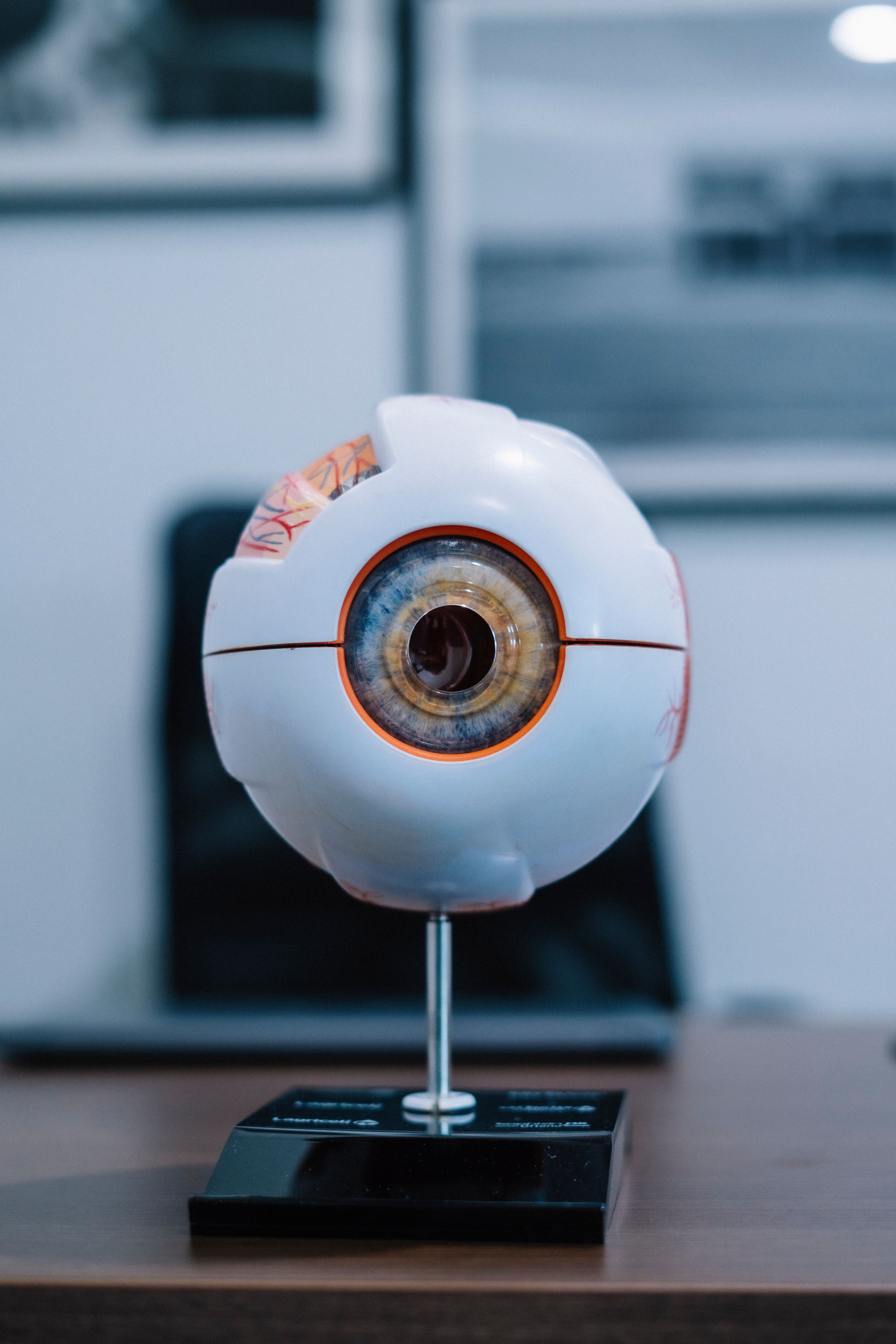
Neurobehavioral and learning disorders can affect a child's attention, behaviour, emotions, learning, academic performance, social interactions, and overall well-being. These challenges often become evident at home, school, or in social settings, impacting confidence, independence, and quality of life.
Warning Signs
Parents may consider a comprehensive developmental evaluation if their child:
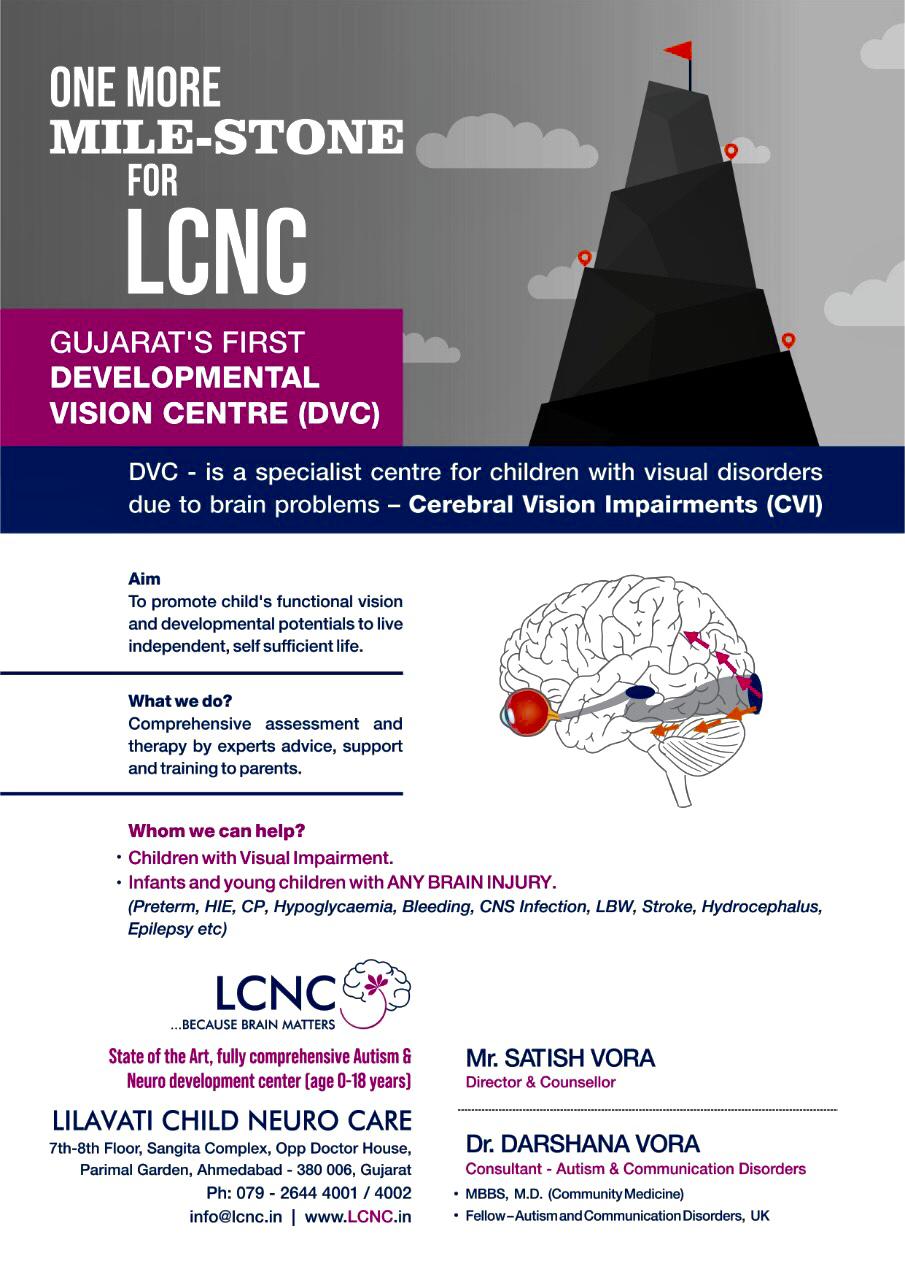
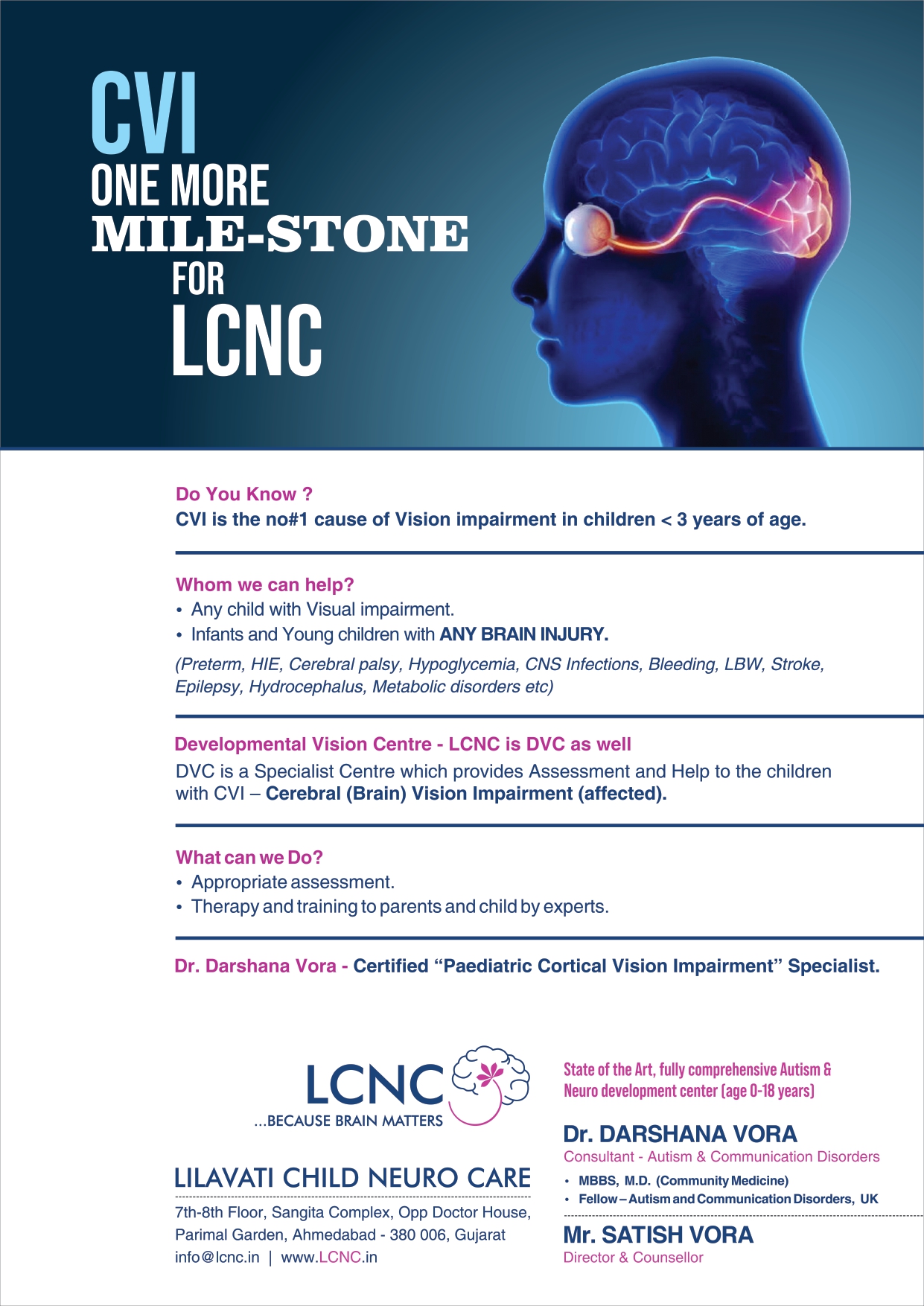
At Lilavati Child Neuro Care (LCNC), we provide comprehensive assessment, accurate diagnosis, and evidence-based intervention for children and adolescents experiencing neurobehavioral, emotional, and learning difficulties. Our multidisciplinary team works closely with families and schools to develop personalised care plans that support each child's academic, emotional, and social development.
We believe every child has unique strengths and potential. Through early intervention, evidence-based therapies, and family-centered care, we help children overcome challenges and achieve meaningful progress in school, home, and social environments.
We assess and manage:
Dyslexia
Difficulties with reading, spelling, and reading comprehension.
Dysgraphia
Difficulties with handwriting, written expression, and organising written work.
Dyscalculia
Difficulties understanding numbers, mathematical concepts, and problem-solving.
OCD is characterised by persistent unwanted thoughts (obsessions) and repetitive behaviours or rituals (compulsions) that interfere with everyday activities, learning, and emotional well-being.
We support children experiencing behavioural difficulties such as:
- ~Aggression
- ~Frequent temper outbursts
- ~Defiance or oppositional behaviour
- ~Emotional dysregulation
- ~Difficulty following rules or routines
Our goal is to understand the underlying causes and provide effective behavioural strategies for lasting improvement.
Children may experience excessive fears, persistent worries, separation anxiety, social anxiety, school refusal, panic symptoms, or stress-related concerns. Early intervention helps children build resilience, confidence, and healthy coping skills.
Some children struggle academically despite having adequate intelligence and educational opportunities. A comprehensive developmental evaluation can identify underlying learning, attention, emotional, or developmental factors affecting school performance.
Children may have difficulty understanding social cues, making friends, maintaining relationships, or communicating appropriately in different social situations. We help children strengthen communication, interaction, and social skills.
Executive function challenges may affect:
- ~Planning and organisation
- ~Time management
- ~Working memory
- ~Self-control
- ~Task initiation and completion
- ~Problem-solving skills
Targeted interventions help children become more independent and organised in daily life.